Blog
Raw, Rinsed, or Stone Washed Picking Your First Pair

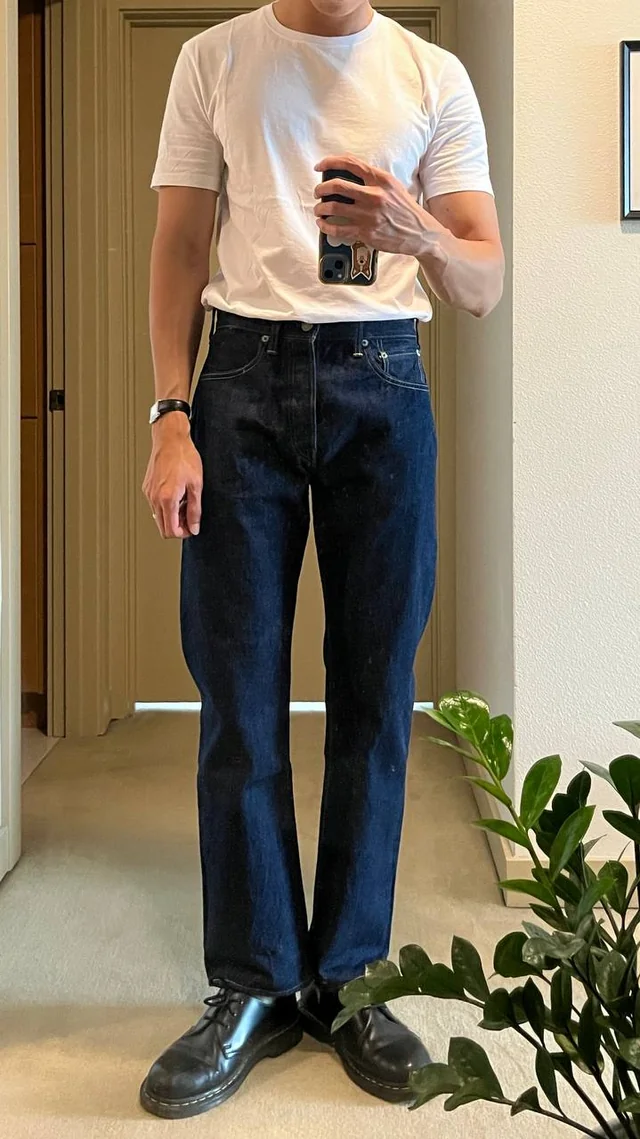
Raw, rinsed, one wash, two year wash. If you’re new to orSlow, the wash names alone can stall a first purchase. Each one changes how the denim fits today and how it looks a year from now, so let’s break down what each finish actually does before you pick your first pair.
What “Raw” Actually Means
Raw denim, sometimes called dry denim, is fabric that has never been washed after dyeing. It comes off the loom stiff, dark, and full of indigo that hasn’t had a chance to fade yet. That stiffness is the whole point. Raw denim holds more color than any other finish, so it produces the highest contrast fades of any wash we offer. Every crease, every fold at the knee, every place the fabric rubs against a wallet or a phone starts to lighten with wear, and that pattern belongs to nobody but you. Here’s the catch. Unsanforized denim, meaning it hasn’t been pre-shrunk before cutting, can shrink 5 to 10 percent on its first wash or soak. Buy true to size and you’ll likely end up with jeans a size too small once you wash them for the first time. Most raw denim buyers size up on purpose, then soak the jeans in cold water for a set break-in period before wearing them regularly.
What “One Wash” Actually Means
Our one wash finish goes through a single gentle wash before it ever reaches you. That one wash handles the shrinkage ahead of time and softens the fabric slightly, so the pair you try on fits close to the size it stays at. This isn’t the same as a heavily processed or distressed jean. A one wash keeps the dark color and most of the fade potential raw denim has. It just starts from a marginally lighter point and skips the shrink-to-fit process entirely. The honeycombs behind the knee, the whiskering across the thigh, the fading at the pocket edges. All of that still develops with wear on a one wash pair. The contrast just ends up slightly softer than what raw denim eventually produces. For most first-time buyers, one wash removes the biggest source of guesswork. No soaking, no sizing up, no waiting through an awkward stiff phase before the jeans start to feel like clothing instead of cardboard.
What Our Two Year Wash Actually Means
Stone washing is an older factory technique that tumbles denim with abrasive materials to soften it and fake a worn look before a jean ever reaches a customer. We take a more deliberate approach. Our two year wash comes from studying worn samples in Ichiro Nakatsu’s own vintage collection and recreating that exact fade pattern in the factory, rather than distressing the fabric with a generic tumble. The result looks like a pair that’s been worn and washed for two years, right out of the box, with fading at the whiskers, roping along the hem, and the kind of soft hand raw denim only reaches after real use. This finish suits anyone who wants that vintage look without the multi-year wait. It won’t develop much further character with wear, since most of the fading is already built in, but it also carries no learning curve. Put it on and it already looks like a jean with a history.
Comparing the Three for a First Pair
| Finish | Shrinkage | Break-in needed | Fade potential | Best for |
| Raw | Significant on unsanforized denim | Yes, soaking and sizing up | Highest contrast, fully custom | Buyers who want to build their own fade from scratch |
| One wash | Minimal | No | High, slightly softer than raw | Buyers who want raw denim’s character without the shrink-to-fit process |
| Two year wash | Minimal | No | Limited further fading | Buyers who want a vintage look immediately, with no wait |
How to Decide
Ask yourself one question first: do you want to build the fade, or do you want it already built? If the idea of watching a pair of jeans change over months of wear sounds appealing, raw denim rewards that patience. Expect to size up, soak the jeans early on, and wait through a stiff first few wears before the fabric loosens up. If you want the character of raw denim without the sizing guesswork, one wash gets you there. It’s the closest thing to a safe default for a first pair, since it fits close to true size and still fades naturally with regular wear. If you want a jean that looks broken in the moment you put it on, our two year wash does that job. Just know the dramatic fading has already happened, so the jean won’t change as much from here.
Care Tips That Apply to All Three
Wash cold, and skip the dryer whenever possible. Heat speeds up wear and can crack the indigo coating that gives denim its color. Turn the jeans inside out before any wash to protect the outer dye, and spot clean small stains instead of running a full wash cycle every time. Raw denim owners often wait six months to a year before the first wash, since fewer washes mean sharper, higher contrast fades over time. One wash and two year wash pairs can go into a normal wash routine much sooner, since the risk of major shrinkage or color loss is already handled at the factory.
The Bottom Line
None of these three finishes is objectively better. They just serve different buyers. Raw rewards patience and a willingness to deal with sizing and a break-in period. One wash splits the difference, giving you real denim character without the extra steps. Our two year wash hands you a finished look on day one. Pick based on how much of the process you actually want to be part of, and browse the full range at orslow.co to find the finish that fits.